A deep, analytical breakdown for players who want to maximize upside in every slate
In NBA Daily Fantasy Sports (DFS), anyone can build a lineup.
But only a small percentage of players consistently build high-ceiling lineups — the kind that can win tournaments, hit top-1% finishes, or break leaderboards on busy slates.
High-ceiling DFS construction is not random luck.
It’s a repeatable strategic process, rooted in analytics, probability, game theory, and understanding how NBA environments generate fantasy points.
This guide breaks down the core principles, advanced analytics, and actionable strategies every DFS player needs to build lineups capable of hitting massive ceilings.
1. Understand What “Ceiling” Really Means in DFS
When DFS players say “ceiling,” they mean:
The maximum realistic fantasy score a player or lineup can produce under optimal conditions.
A ceiling is not a projection.
A projection is the median outcome.
A ceiling is the 90th–99th percentile outcome.
High-ceiling DFS lineups look specifically for:
- High usage
- High minutes
- High pace
- High volatility
- High opportunity
- High correlation
A lineup with ceiling potential must embrace risk + opportunity, not just safety.
2. The Three Pillars of High-Ceiling Player Profiles
Every tournament-winning DFS lineup is built around players who excel in three core statistical pillars:
A. Usage Rate (USG%)
Usage defines opportunity.
A player cannot reach a ceiling without touches, shots, or creation volume.
High-ceiling players typically have:
- 28–40% usage
- Primary scoring roles
- High shot volume
- Strong free-throw rates
- On-ball responsibilities
Usage = ceiling fuel.
B. Minutes Projection
A ceiling game cannot occur with limited floor time.
Target:
- 32–38+ minutes
- Secure rotational roles
- Low benching volatility
- Trust from coaching staff
- Strong closing-minute expectations
Minutes = ceiling runway.
C. Pace & Environment
Game environment dramatically influences fantasy scoring.
Fast pace increases:
- Shot attempts
- Rebound chances
- Assist potential
- Turnover opportunities (steals)
- Transition scoring
Prioritize:
- Pace-up spots
- High Vegas totals
- Competitive spreads
- Teams that thrive in transition
Pace = ceiling multiplier.
3. Correlation: The Secret Weapon Behind GPP-Winning Lineups
Beginner DFS players build lineups with individual picks.
Advanced players build correlated systems.
Game Stacking
When two teams play fast or score heavily, fantasy value rises for both sides.
Benefits:
- More possessions
- Assist-to-score connections
- Shot-trading environments
- Multiple ceiling outcomes from the same game
Team Stacking
Pairing teammates increases the chance that:
- One player's scoring boosts another’s assists
- Multiple players benefit from the same game script
- A tight contest elevates minutes and usage
Correlation lifts ceilings together.
4. Embrace Volatility: Ceiling Comes From Controlled Risk
Safe players almost never win large-field tournaments.
High-ceiling DFS strategy involves:
- High-variance shooters
- Players with wide usage ranges
- Explosive scorers
- Energetic rebounders
- Stock-heavy defenders
- Low-owned leverage plays
Controlled risk = controlled ceiling potential.
5. Identify Value Plays That Unlock High-Ceiling Builds
Value plays are essential because:
Value opens salary flexibility for superstars.
A true DFS value play is:
- Underpriced
- Benefiting from injuries/absences
- Gaining increased minutes
- Promoted to the starting lineup
- Facing favorable matchups
- Known for stocks or rebounds
- Mispriced relative to projected role
You cannot build a ceiling lineup without salary efficiency — value is the key.
6. Player Archetypes That Naturally Produce High Ceilings
Certain player types consistently deliver DFS ceiling outcomes. Here are the four major archetypes, each paired with a recognizable NBA star example.
A. High-Usage Creators (Example: James Harden, peak Houston era)

These are the offensive engines responsible for scoring and playmaking.
Traits:
- Primary scoring option
- Heavy shot volume
- High assist rates
- Strong free-throw generation
- Full offensive control
Why Harden fits:
At his Rockets peak, Harden produced elite usage (30–40%), high scoring, and triple-double upside — the essence of DFS ceiling.
B. Scoring Bigs With Rebounding Upside (Example: Anthony Davis, prime Pelicans era)

These players deliver a combination of scoring, rebounding, and stocks.
Traits:
- Double-double machines
- Efficient finishers
- Elite shot blockers
- High rebound percentage
Why Anthony Davis fits:
Prime AD consistently produced 28+ points, 12+ rebounds, and 3–4 blocks — perfect ceiling ingredients.
C. Defensive Stock Monsters (Example: Kawhi Leonard, Spurs & Raptors prime)
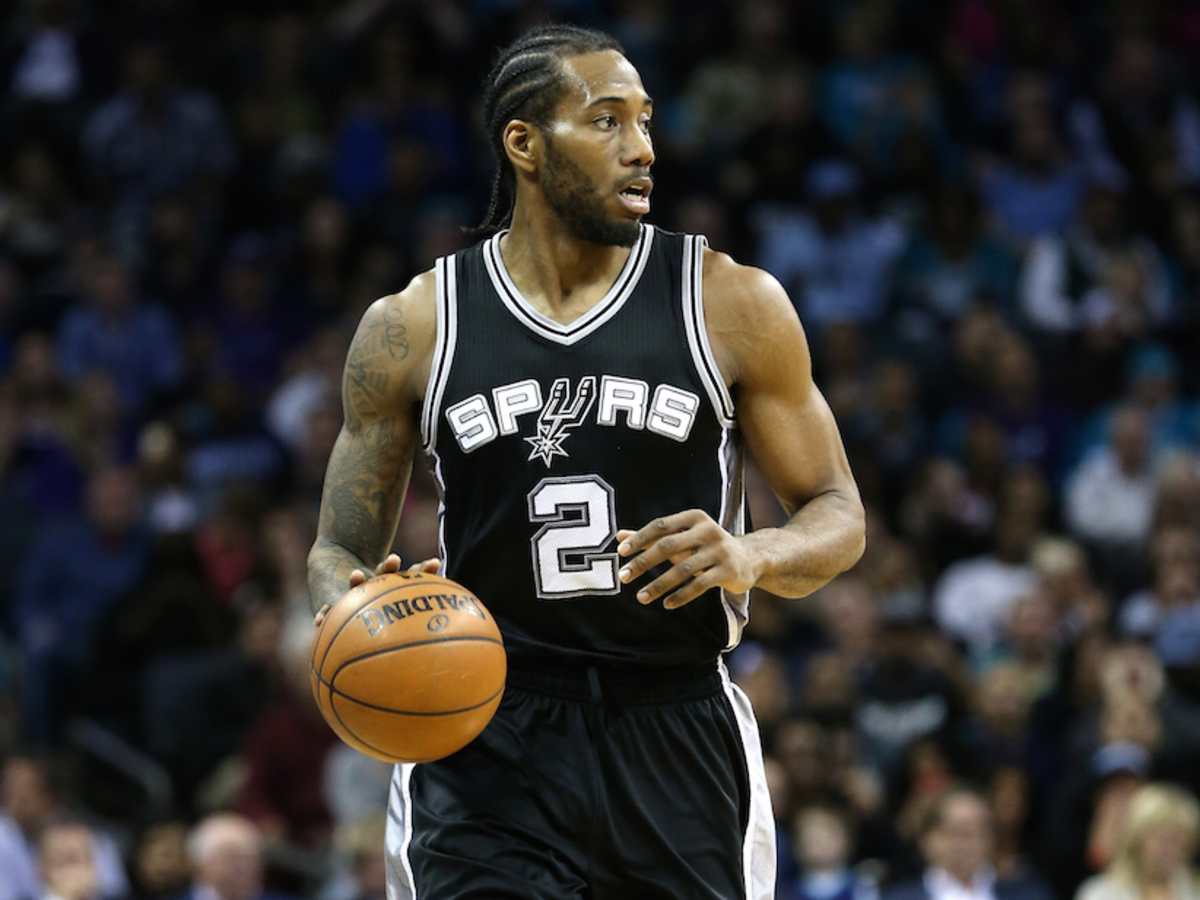
These players can explode in DFS from stocks alone (steals + blocks).
Traits:
- Lockdown defenders
- High steal rates
- Impactful in chaos-heavy environments
- Stock-heavy stat lines even in low-scoring games
Why Kawhi fits:
Prime Kawhi regularly posted 2–4 steals plus additional blocks, giving him unpredictable but massive ceiling nights.
D. Pace-Paired Wings (Example: Shawn Marion, Phoenix Suns “Seven Seconds or Less” era)

Fast-paced systems elevate these players.
Traits:
- Transition scoring
- Strong wing rebounding
- Secondary assists
- Stocks from activity
- Efficient open-court finishing
Why Marion fits:
In the Suns’ SSOL system, Marion consistently delivered multi-category lines tied to pace, making him a DFS ceiling archetype.
7. Use Ownership Projections as Strategic Leverage
High-ceiling lineups require intelligent differentiation.
Strategies:
- Target low-owned elite plays
- Fade overly popular low-ceiling options
- Pivot after breaking news
- Leverage public recency bias
Ownership leverage is what separates average lineups from slate-breaking ones.
8. React Quickly to Late News — A Major DFS Advantage
NBA DFS is news-driven.
Late-breaking updates can drastically shift:
- Usage
- Minutes
- Rotations
- Opportunity
Winning DFS players:
- Stay active near lock
- Pivot to players gaining extra usage
- Identify last-minute value
- Take advantage of uncertainty
Late news is often the difference between a min-cash and winning a tournament.
9. Apply Game Theory: Build Lineups as Coordinated Ecosystems
A lineup isn’t eight random players — it’s a strategic probability engine.
Ask yourself:
- How many players can realistically achieve 7×–10× value?
- Are my players benefiting from the same game script?
- Does my lineup include controlled-risk volatility?
- Am I using leverage intentionally?
- Does this lineup maximize ceiling rather than safety?
Game theory elevates lineup construction from guessing to engineering.
10. The Complete High-Ceiling DFS Checklist
Here is the essential checklist for building tournament-winning DFS lineups:
✔ Target high-usage players
Usage fuels ceiling.
✔ Prioritize secure high-minute roles
No minutes = no fantasy explosion.
✔ Attack pace-up matchups
More possessions = more statistical opportunity.
✔ Use team and game stacks for correlation
Ceilings rise together.
✔ Embrace volatility — avoid low-ceiling safe plays
Tournaments reward risk, not safety.
✔ Identify value plays to unlock salary for stars
Value is the foundation of every winning roster.
✔ Choose players with block/steal upside
Stocks can instantly spike a DFS score.
✔ Use ownership projections for leverage
Differentiate intelligently.
✔ React aggressively to late-breaking news
Shifts in usage and minutes create edge.
✔ Build lineups with synergy, not randomness
A high-ceiling lineup is a coordinated ecosystem.
Conclusion: High-Ceiling DFS Lineups Are Built With Precision, Not Luck
Winning DFS lineups are engineered through:
- Usage analysis
- Pace targeting
- Correlation stacking
- Leverage strategy
- Game theory
- News awareness
- Value identification
When you shift from simply “picking good players” to constructing ceiling-driven probability engines, your lineups gain the structural advantage needed to dominate large-field contests.
Master these principles, and you’ll consistently build NBA DFS lineups capable of hitting massive, slate-winning ceilings.