Introduction
In real-life basketball, some NBA superstars dominate headlines, highlights, and playoff narratives. They’re All-Stars, franchise cornerstones, and sometimes even MVP candidates.
But in Daily Fantasy Sports (DFS)?
…they can be massive disappointments.
Why does this happen?
Because real basketball success does not always translate to DFS scoring, which rewards volume, usage, peripherals, and consistent raw statistics — not leadership, intangibles, or “impact plays.”
Here are NBA stars who are incredible in real life — loved by fans and respected by analysts — but often underperform or fail to deliver value in DFS contests.
1. Draymond Green – Defensive Genius, DFS Nightmare
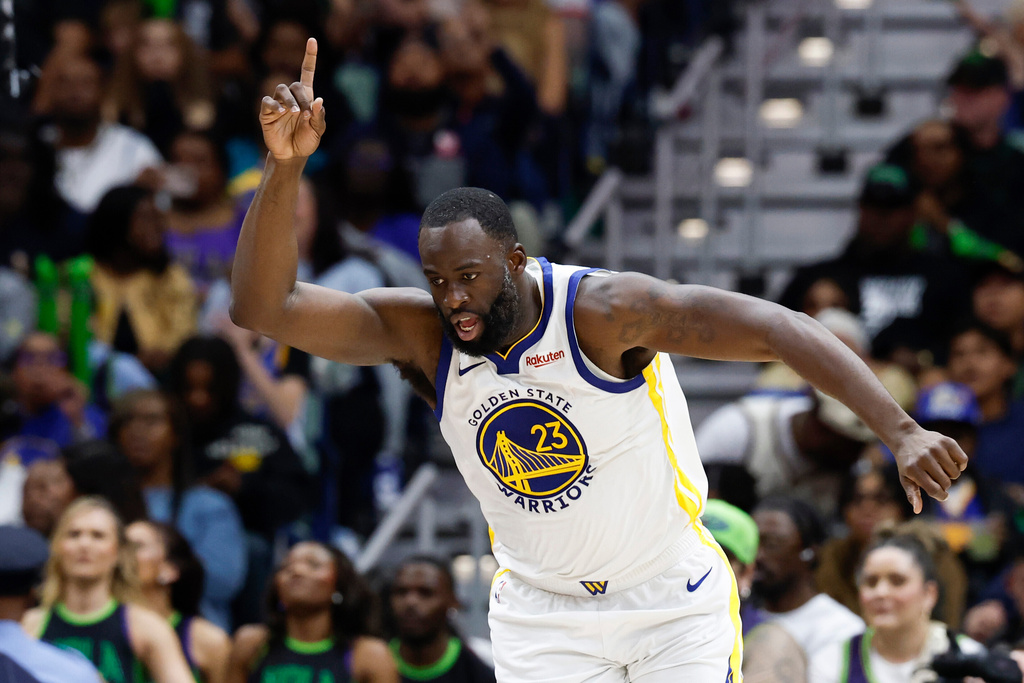
Why He’s Amazing in Real Life
- One of the smartest defenders ever
- Elite playmaker at the forward spot
- Emotional leader of the Warriors dynasty
- Championship IQ and versatility
Why He’s Bad in DFS
- Low scoring volume most nights
- Heavy reliance on non-scoring stats (assists, steals, blocks)
- Prone to ejections and foul trouble
- Stat lines like 8 pts, 7 rebs, 6 ast look good on TV…
but don’t smash DFS slates at his salary
DFS Takeaway
Incredible real-life impact, but often overpriced for DFS production.
2. Rudy Gobert – Defensive Anchor, Low Fantasy Ceiling
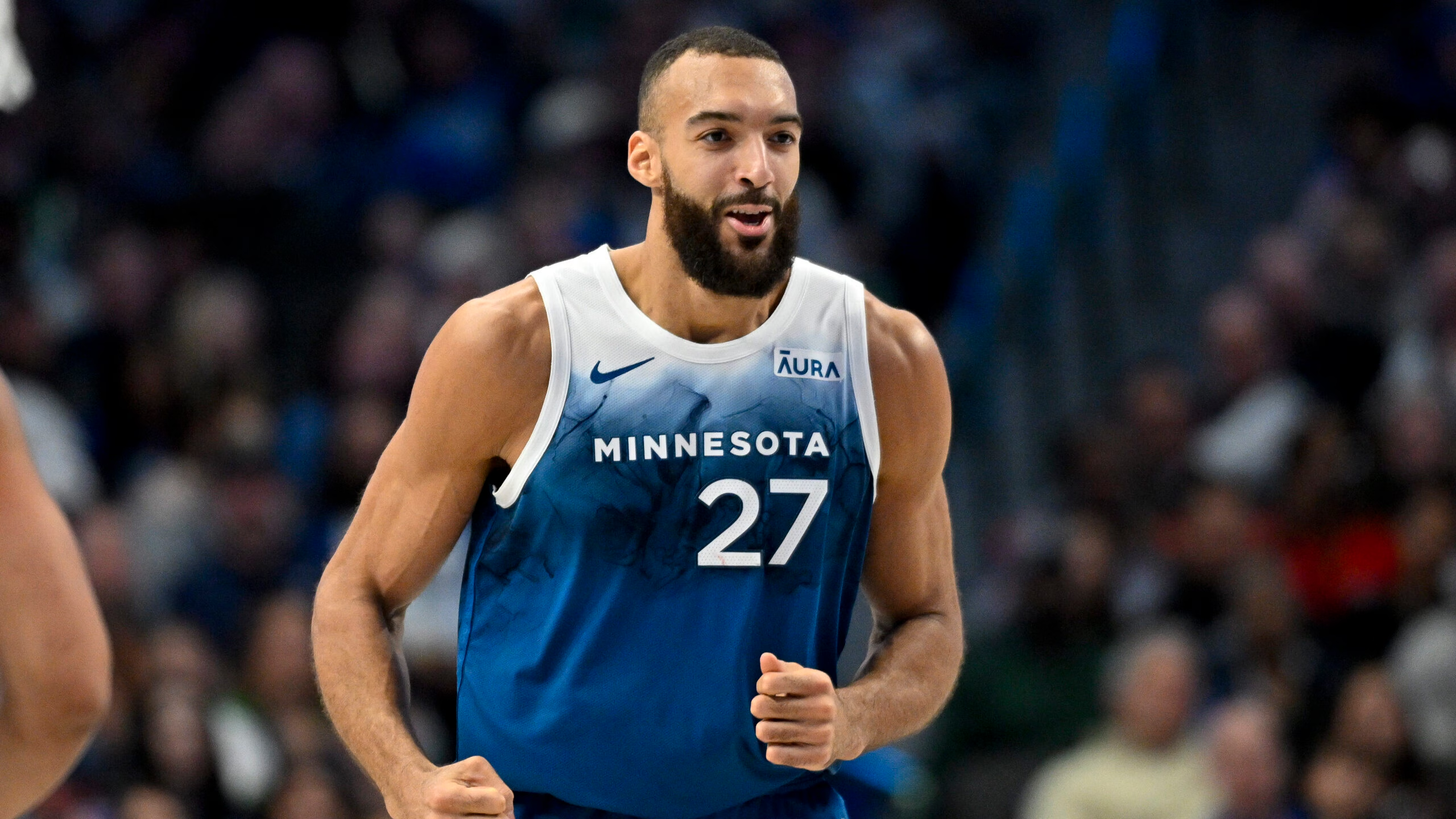
Why He’s Amazing in Real Life
- Multiple-time Defensive Player of the Year
- Elite rim protector and rebounder
- Transforms team defense just by being on the floor
Why He’s Bad in DFS
- Low usage on offense
- Limited scoring range
- Relies on putbacks and lobs
- Blocks can spike his score, but are inconsistent game-to-game
DFS Takeaway
Safe floor, but rarely the kind of high ceiling you need to win big tournaments.
3. Khris Middleton – Elite Second Option, DFS Volatility King
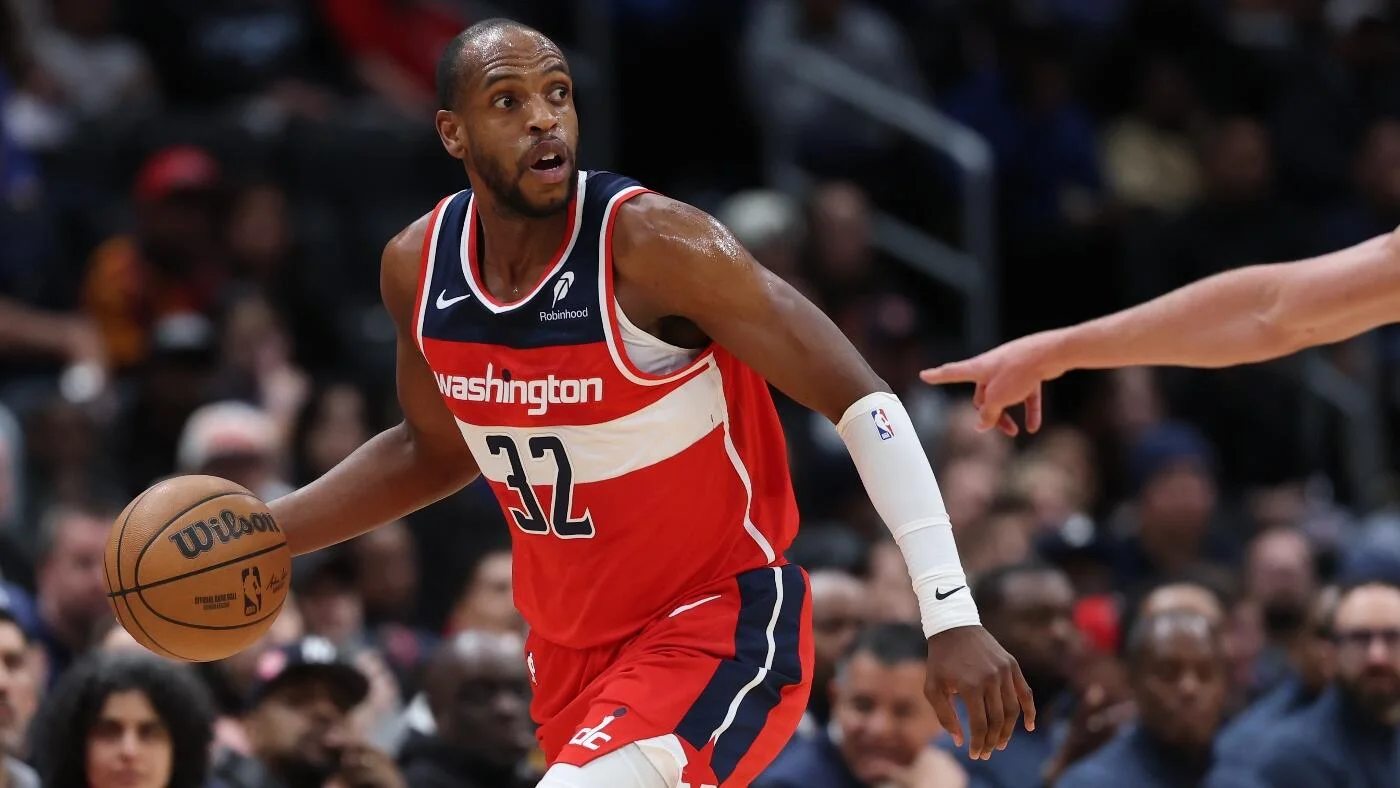
Why He’s Amazing in Real Life
- Smooth three-level scorer
- Strong wing defender
- Perfect co-star to a high-usage superstar
- Historically clutch in key playoff moments
Why He’s Bad in DFS
- Role and usage fluctuate depending on team health
- Easily overshadowed when the primary star dominates
- Can have 40+ FP one night and under 20 FP the next
- Often priced like a reliable star, but performs like a volatile mid-tier option
DFS Takeaway
Consistent in real basketball, streaky in DFS.
4. Bam Adebayo – All-Star Impact, Fantasy Frustration
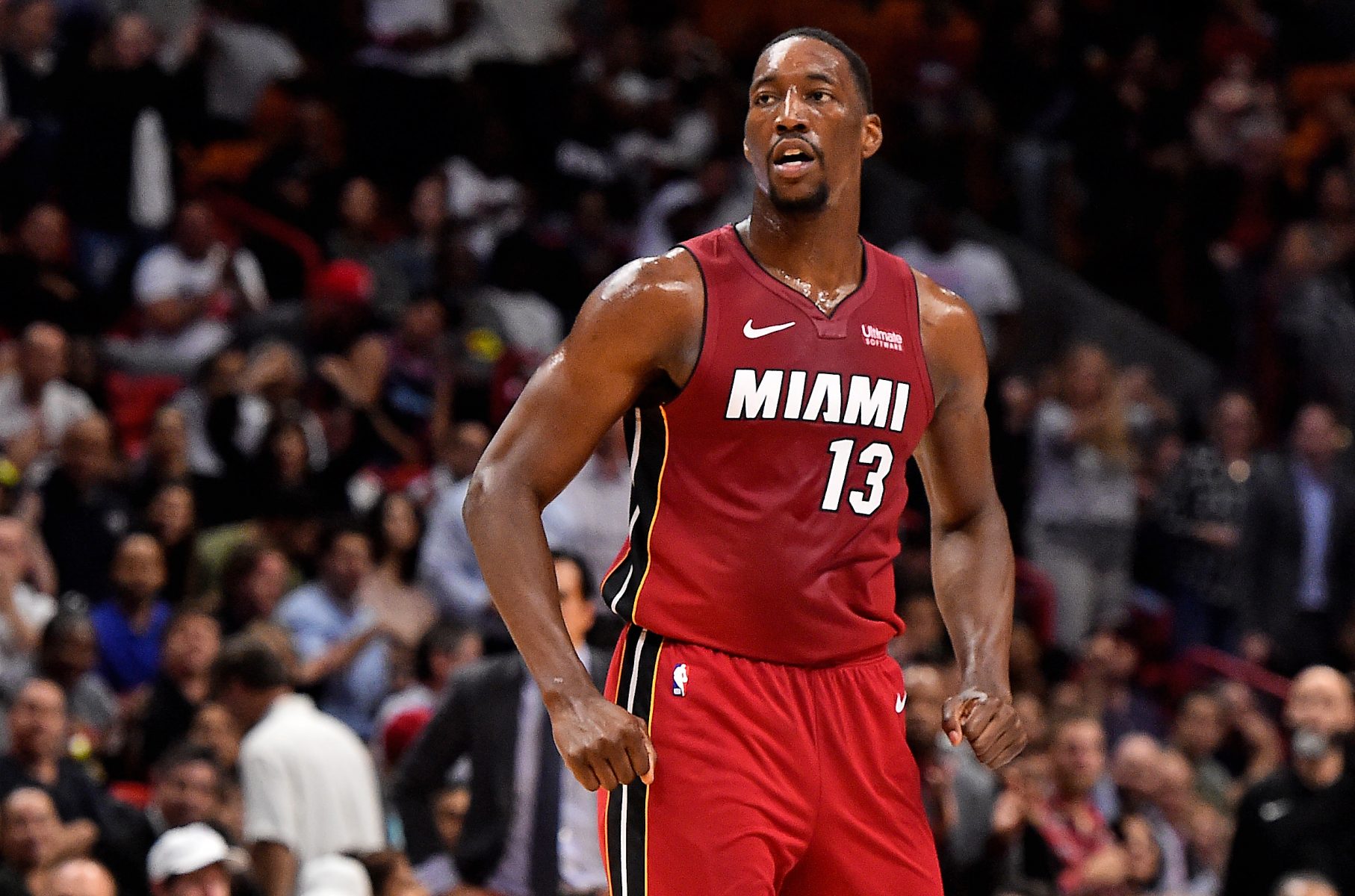
Why He’s Amazing in Real Life
- One of the most versatile defensive bigs in the league
- Can guard multiple positions
- Good passer for a center
- Key piece of Miami’s identity on both ends
Why He’s Bad in DFS
- Scoring can be passive at times
- Heat offense spreads touches across teammates
- Usage and aggressiveness fluctuate
- Defensive impact doesn’t always show in box scores
DFS Takeaway
You’d love Bam on your real team, but his fantasy ceiling is often lower than his talent suggests.
5. Chris Paul – Hall of Fame Point Guard, DFS Letdown
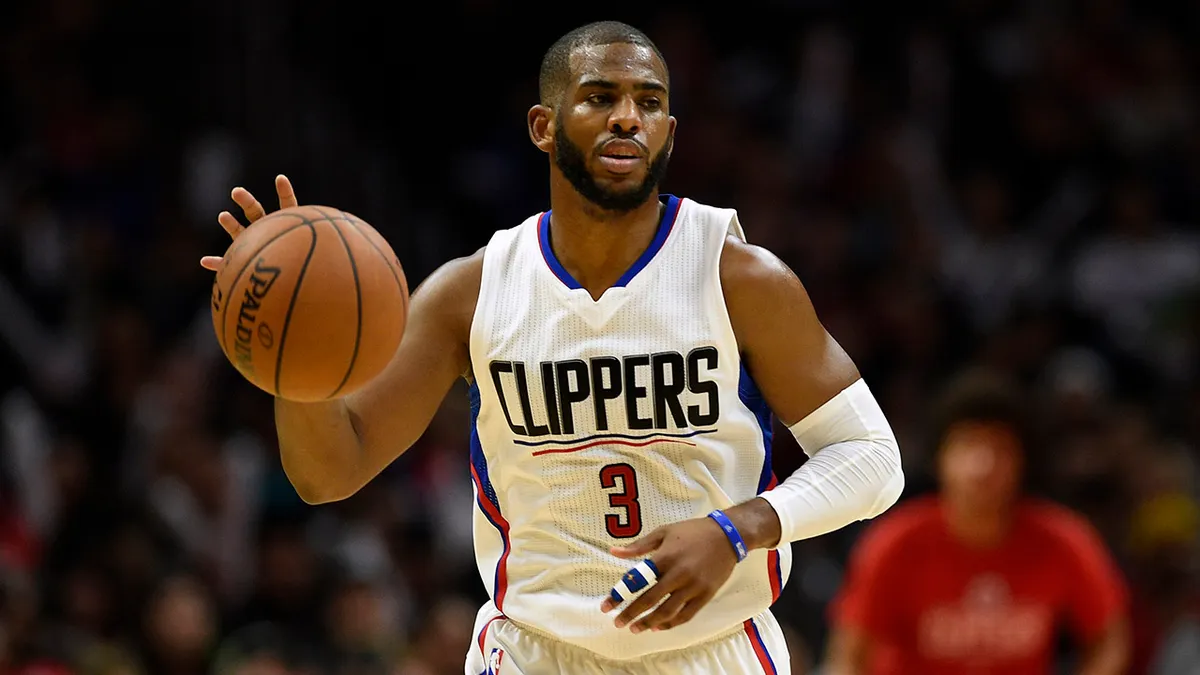
Why He’s Amazing in Real Life
- Elite floor general
- One of the best playmakers in NBA history
- Controls tempo, minimizes mistakes
- Leadership, clutch IQ, and midrange mastery
Why He’s Bad in DFS
- Often low scoring volume
- Prioritizes orchestrating the offense over racking up big counting stats
- In later years, minutes and usage are managed carefully
- Stat lines like 12 pts, 9 ast, 3 rebs are great for coaches — but underwhelming for DFS at his salary
DFS Takeaway
He’s a winning player in real life, but not a DFS monster unless he’s in a rare high-usage situation.
6. Marcus Smart – Defensive Beast, DFS Trap
.jpeg)
Why He’s Amazing in Real Life
- Former Defensive Player of the Year (guard)
- Heart-and-hustle guy
- Takes charges, dives for loose balls, anchors perimeter defense
- Emotional leader and tone-setter
Why He’s Bad in DFS
- Defensive intangibles don’t fully translate into FP
- Streaky shooter
- Prone to low-scoring nights
- Usage is often limited compared to scorers
DFS Takeaway
You respect Smart as a competitor, but you don’t rely on him as a DFS core piece.
7. Andrew Wiggins – Perfect Role Player, Unreliable Fantasy Asset
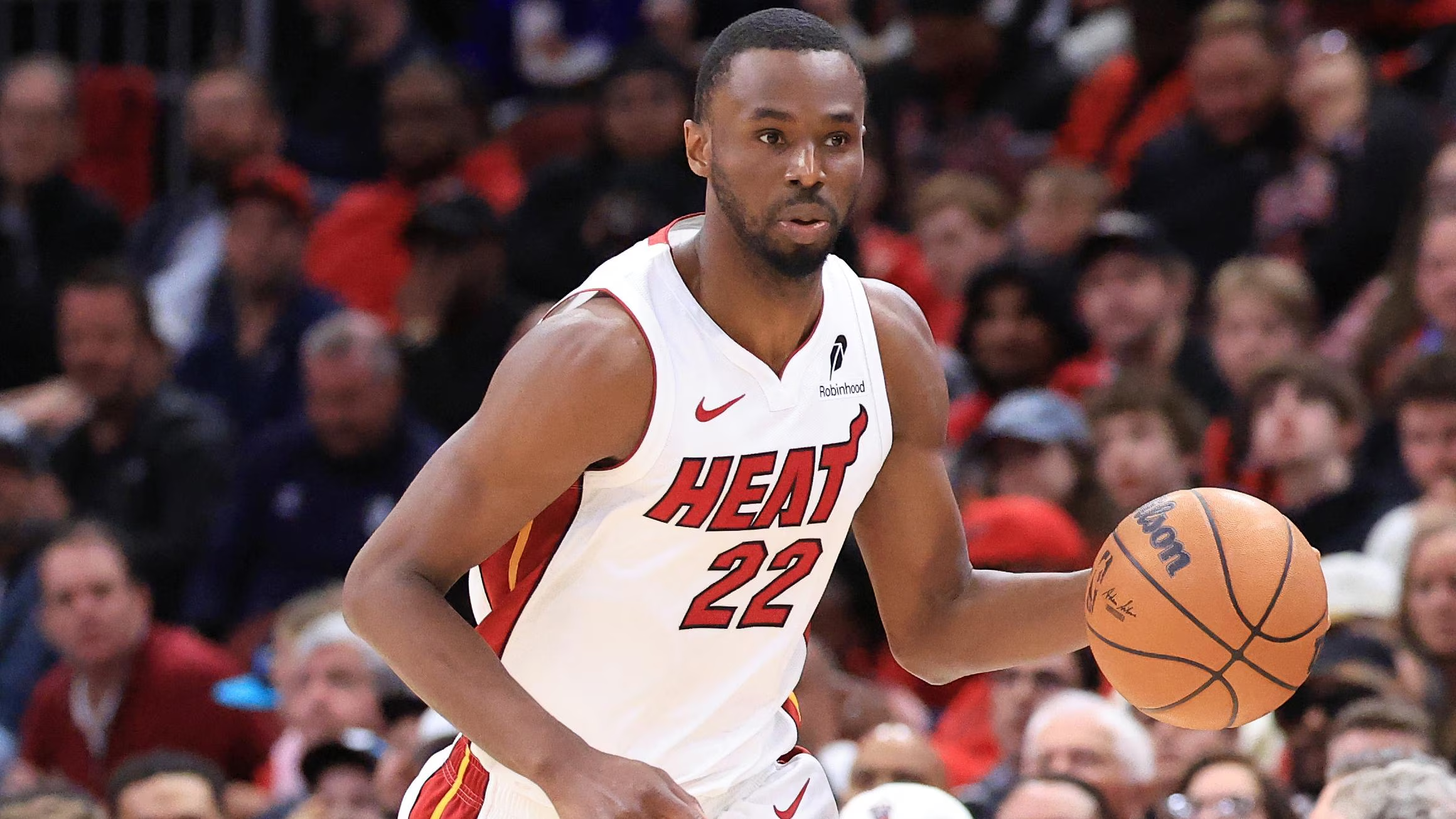
Why He’s Amazing in Real Life
- Athletic, versatile wing
- Solid defender and rebounder
- Fits perfectly as a complementary star
- Key two-way contributor during Golden State’s title runs
Why He’s Bad in DFS
- Usage is inconsistent
- Fantasy production depends heavily on scoring
- Doesn’t always stack secondary stats (assists, steals, blocks)
- Often stands in the corner while primary creators run the offense
DFS Takeaway
Strong real-life value, but often too scoring-dependent for DFS.
8. DeMar DeRozan – Midrange Master, DFS Ceiling Killer

Why He’s Amazing in Real Life
- One of the greatest midrange scorers of his era
- Veteran presence and late-game scorer
- Excellent footwork and shot creation
Why He’s Bad in DFS
- Few three-pointers (no 3-point bonus upside)
- Limited defensive stats
- Game built on midrange jumpers — efficient, but not fantasy explosive
- Needs huge scoring nights to reach tournament-winning FP
DFS Takeaway
Beautiful basketball to watch, but his playstyle doesn’t always align with DFS scoring optimization.
Why Real-Life Greatness Doesn’t Always Equal DFS Greatness
1. DFS rewards volume, not subtle impact.
Leadership, gravity, off-ball movement — coaches love them, DFS doesn’t care.
2. Defense doesn’t pay enough.
Even elite defenders don’t get full credit unless they rack up steals and blocks.
3. Usage and shot attempts matter more than “being the best player.”
Secondary stars or glue guys often sacrifice stats to help the team win.
4. Systems and roles matter.
Playing on a stacked team can tank a star’s DFS usage, even if they’re incredibly good.
5. Reputation and highlights can mislead DFS players.
Don’t draft your lineup based on Instagram highlights or name recognition.
Conclusion
Some NBA stars are undeniable winners in real life — but frustrating, low-ROI picks in DFS.
That’s because DFS is a math and volume game, not a reputation contest.
So the next time you build a lineup, remember:
- Your favorite player might not be your best DFS option.
- Real games and fantasy games follow different rules.
- The smartest DFS players know how to separate basketball fandom from fantasy profitability.
Master that difference — and you’ll already be ahead of most of the field.